
Finding Plants That Fit Your Life
The right plant in the right place creates harmony. Learn how to match plants to your environment and lifestyle.
Assessing Your Space
Before selecting plants, understand your space's natural conditions. Light intensity varies dramatically between a south-facing window and a north-facing corner. Some rooms maintain consistent humidity, while others fluctuate with heating and cooling systems.
We guide you through evaluating light levels, measuring humidity, and understanding temperature patterns. This assessment forms the foundation for choosing plants that will thrive rather than struggle in your environment.
Maintenance Levels
Some plants require daily attention, while others thrive with weekly care. Consider your schedule realistically when selecting plants to match your available time and care commitment level.
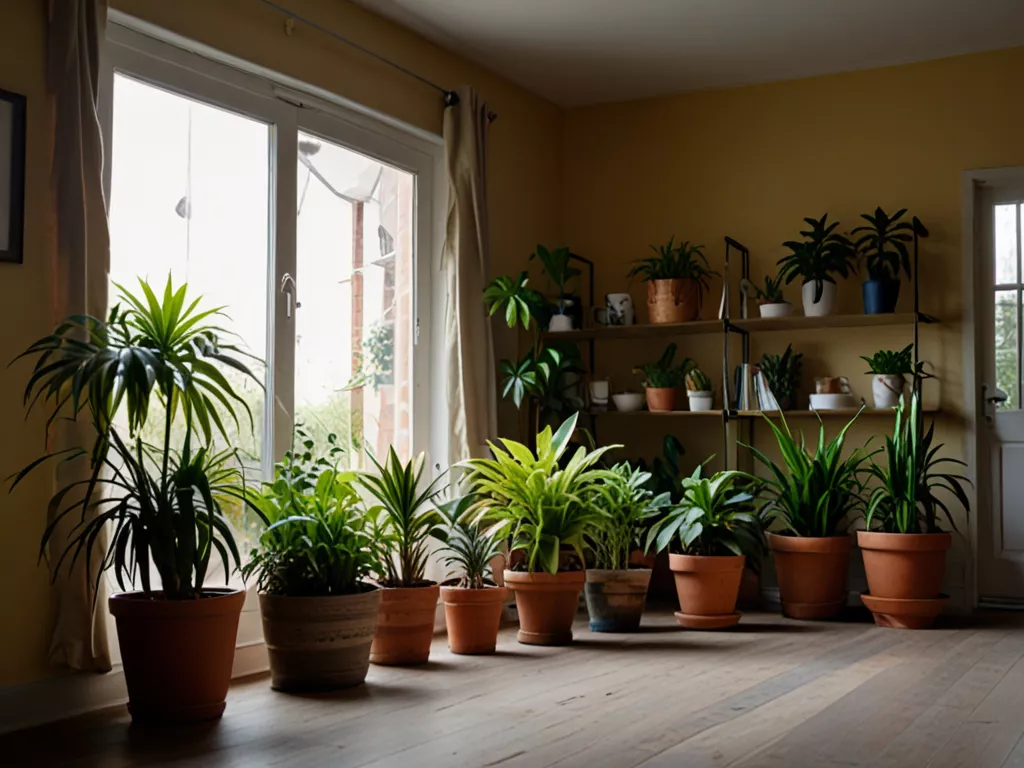
Light Requirements
Plants are categorized by their light needs: bright direct, bright indirect, medium light, and low light. Understanding these categories helps you match plants to available light sources.
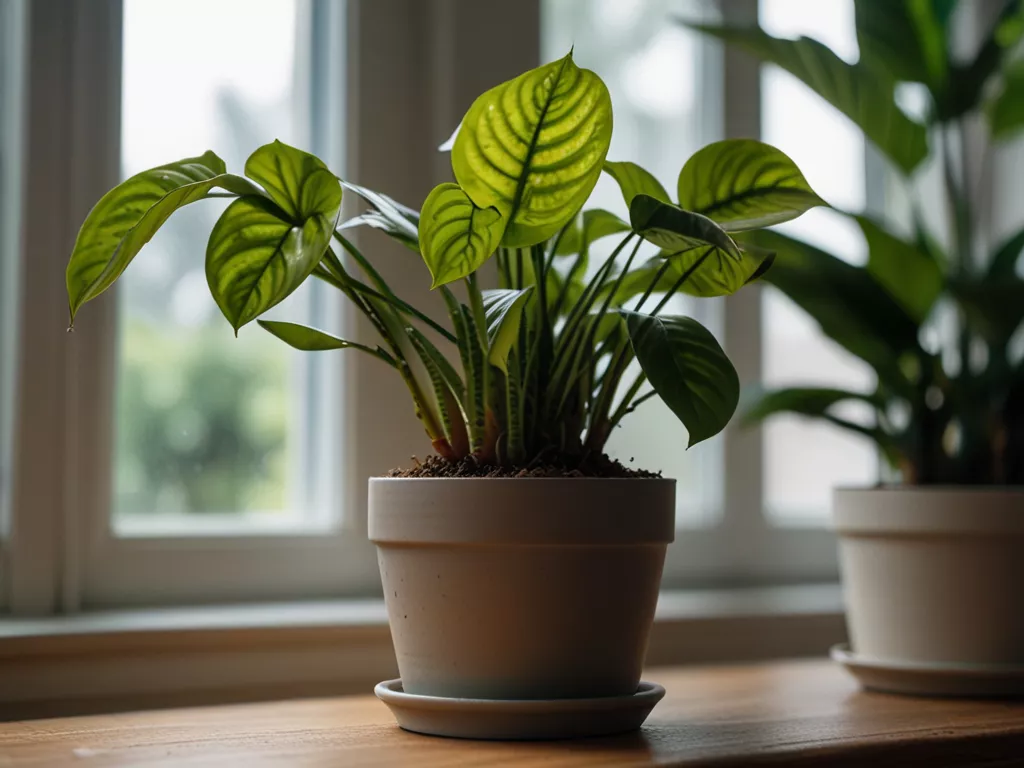
Beginner-Friendly Options
Certain plants tolerate inconsistent care and environmental variations, making them ideal for those new to plant care. These resilient species build confidence while you develop your skills.
Matching Plants to Your Lifestyle
Your daily routine influences which plants suit you best. Frequent travelers need plants that can handle periods without attention. Busy professionals benefit from low-maintenance species that don't require constant monitoring. Those with more time can explore plants that need regular care and attention.
We help you identify plants that align with your availability, your experience level, and your aesthetic preferences. This matching process prevents common mistakes and sets you up for long-term success with your plant collection.
Building a Cohesive Collection
As you expand your collection, consider how plants work together. Grouping plants with similar care requirements simplifies maintenance and can create microclimates that benefit all members. Visual harmony comes from considering size, texture, color, and growth patterns.
We guide you through building collections that are both visually appealing and practically manageable. This approach can help create spaces where plants support each other's growth while bringing beauty and life to your home.
Note: Plant growth and health outcomes depend on many factors including environmental conditions, care practices, and individual plant characteristics. Results may vary.